
How to Choose the Correct Measuring Tool for a Job – A Simple, Practical Guide

By Rushi Dhumal - 04/01/2026 - 0 comments
How to Choose the Correct Measuring Tool for a Job – A Simple, Practical Guide
🧠 Why Choosing the Right Measuring Tool Matters
Manufacturing और inspection में सबसे common mistake है wrong measuring tool selection.
जब tool गलत होता है, decision गलत होता है — और वही rejection, rework और customer complaint का कारण बनता है।
Wrong measuring tool leads to:
-
Incorrect readings
-
False OK parts
-
Rework and scrap
-
Audit failures
👉 Correct measuring tool = Correct decision
🧰 First Rule: Clearly Define What You Need to Measure
Tool select करने से पहले यह clear होना चाहिए:
What exactly needs to be measured?
Common measurement requirements:
-
Length / Width
-
Outside Diameter
-
Inside Diameter (Bore)
-
Thickness
-
Height
-
Depth
-
Runout / Alignment
-
Surface Finish
Without clarity on measurement type, tool selection will always be wrong.
📏 1. Vernier Caliper – For General Measurements
Use Vernier Caliper when:
-
Dimension range is large
-
Tolerance is loose (±0.05 mm or more)
-
Quick checking is required
Suitable applications:
-
Outside diameter
-
Inside diameter (basic)
-
Step measurement
-
Depth (basic check)
Avoid Vernier Caliper when:
-
High accuracy is required
-
Bore precision is critical
👉 Vernier Caliper is a general-purpose measuring tool, not a precision instrument.
🎯 2. Micrometer – For High Accuracy Measurement
Use Micrometer when:
-
Tolerance is tight (±0.01 mm or better)
-
Precision is critical
Types of Micrometers:
-
Outside Micrometer
-
Inside Micrometer
-
Depth Micrometer
Suitable applications:
-
Shaft diameter
-
Thickness measurement
-
Precision machined components
👉 If accuracy matters, Micrometer is always better than Vernier.
🕳️ 3. Bore Gauge – For Hole Measurement
Use Bore Gauge when:
-
Bore size is critical
-
Roundness and taper need to be checked
Suitable applications:
-
Bushes
-
Engine components
-
Precision holes
Common mistake:
-
Using Vernier Caliper or Inside Caliper for bore inspection
👉 Bore measurement requires a dedicated Bore Gauge.
📐 4. Height Gauge – For Vertical Measurement & Layout
Use Height Gauge when:
-
Measurement is done on a surface plate
-
Vertical dimensions are important
-
Marking and inspection are required
Suitable applications:
-
Hole center height
-
Step height
-
Layout marking
👉 Height Gauge is an inspection room essential tool.
🔄 5. Dial Indicator – For Alignment and Runout
Use Dial Indicator when:
-
Shaft runout needs to be checked
-
Alignment verification is required
-
Flatness and parallelism inspection is needed
Common applications:
-
Machine setup
-
Spindle runout checking
-
Tool alignment
👉 Dial Indicator is a setup accuracy tool, not a size measuring tool.
📊 6. Surface Roughness Tester – For Surface Quality
Use Surface Roughness Tester when:
-
Drawing specifies Ra value
-
Surface quality is critical
Important note:
-
Visual appearance is not a reliable method
-
Smooth-looking surface may still fail Ra requirement
👉 Surface finish must be measured, not judged visually.
📋 Simple Measuring Tool Selection Table
| Measurement Requirement | Correct Tool |
|---|---|
| General size check | Vernier Caliper |
| High accuracy dimension | Micrometer |
| Bore measurement | Bore Gauge |
| Height measurement | Height Gauge |
| Alignment / Runout | Dial Indicator |
| Surface finish | Roughness Tester |
⚠️ Common Mistakes While Choosing Measuring Tools
-
Using one tool for all measurements
-
Ignoring tolerance requirements
-
Choosing convenience over accuracy
-
Relying on visual judgment
-
Using worn-out or uncalibrated tools
👉 Wrong tool gives confident but incorrect results.
🧠 Golden Rule (Simple & Practical)
-
Loose tolerance → Simple measuring tool
-
Tight tolerance → Precision measuring tool
-
Critical dimension → Dedicated measuring instrument
When in doubt, always choose higher accuracy, not faster measurement.
🏭 Why Factory Owners Should Care
Incorrect measurement leads to:
-
Customer rejections
-
Audit non-conformities
-
Loss of credibility
-
Increased production cost
Correct measurement system ensures:
-
Stable quality
-
Confident dispatch
-
Smooth audits
-
Long-term customer trust
👉 Measurement is risk control, not an expense.
🔧 How Dhumal CNC Enterprise Supports Accurate Measurement
Dhumal CNC Enterprise helps factories select the right measuring tool for the right job, ensuring accuracy and reliability.
We provide:
-
Digital Vernier Calipers
-
Micrometers (Inside / Outside / Depth)
-
Bore Gauges
-
Height Gauges
-
Dial Indicators & Magnetic Stands
-
Surface Roughness Testers
We also guide customers on:
-
Tool selection
-
Application suitability
-
Accuracy requirements
Engineering Precision, Delivering Trust.
🧠 One-Line Takeaway
Choosing the correct measuring tool is not about price or brand —
it is about measurement type, tolerance, and accuracy requirement.
Blog
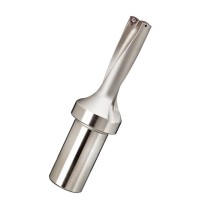
🌀 U Drill – CNC Machining में Power, Precision और Performance का Perfect Tool
🧠 U Drill क्या होता है? CNC machining की दुनिया में U Drill एक ऐसा revolutionary tool है जिसने drilling operations की speed और accuracy को पूरी तरह बदल दिया है। Normal twist drill की तुलना में, U Drill ज़्यादा fast, accurate और economical है — क्योंकि यह indexable carbide inserts के साथ काम करता है। U Drill का meaning है "Universal Drill" — क्योंकि यह कई प्रकार के materials पर काम कर सकता है जैसे Mild Steel, Alloy Steel, Stainless Steel, Cast Iron, Aluminium, और hardened materials। ⚙️ U Drill का Design और Working Principle U Drill का design conventional drill से काफी अलग होता है..
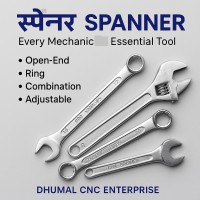
🔧 Spanner – Every Mechanic’s Essential Tool for Precision & Power
🔧 Spanner क्या होता है? Spanner (जिसे कई लोग Wrench भी कहते हैं) एक ऐसा hand tool है जो nuts, bolts और fasteners को tighten या loosen करने के लिए use किया जाता है। यह mechanical, automotive, industrial, और home repair applications में सबसे ज़्यादा उपयोग होने वाला basic yet powerful tool है। एक perfect spanner वह है जो grip, torque और comfort तीनों balance करे — और यही वजह है कि Dhumal CNC Enterprise high-quality spanners provide करता है जो industrial-grade performance देते हैं। ⚙️ Spanner का Design और Working Principle Spanner का design simple लेकिन effective होता है। इसका main..
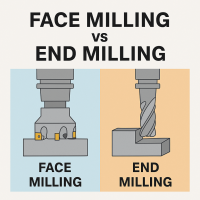
🌀 Face Milling vs End Milling – CNC Machining में क्या फर्क है?
Modern machining industry में milling operations सबसे ज्यादा use किए जाने वाले processes हैं। लेकिन बहुत से machinists और beginners को confusion होता है कि — 👉 “Face Milling और End Milling में फर्क क्या है?” दोनों ही processes metal removal के लिए use होते हैं, लेकिन इनके tool design, cutting direction, और surface finish में काफी difference होता है। आइए इसे detail में समझते हैं। 🧠 Face Milling क्या होता है? Face Milling एक ऐसा operation है जिसमें cutting tool का face portion (यानि front side) metal surface से contact में आता है। इस process का main purpose होता है — flat surface ..
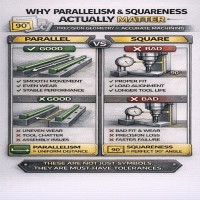
Why Parallelism and Squareness Matter in Machining
Why Parallelism and Squareness Actually Matter – Quality Control का Real Foundation 🧠 Introduction – Drawing Symbols को Ignore करना महंगा पड़ता है Manufacturing drawings में कई बार ऐसे symbols होते हैं जिन्हें लोग lightly लेते हैं: Parallelism Squareness (Perpendicularity) Common mindset: “Dimension सही है, इतना angle deviation चलता है” लेकिन reality यह है कि parallelism और squareness ignore करने से: Assembly fail होती है Load uneven distribute होता है Machine performance degrade होती है Customer complaints आती हैं ..

Why Investing in Quality Tools Actually Saves Money
Why Investing in Quality Tools Actually Saves Money – The Real Cost Analysis Every Factory Must Know 🧠 Introduction – Cheap Tools Are Expensive Manufacturing और machining industry में एक common mindset है: “Tool cheap mil raha hai, kaam toh ho hi jayega.” लेकिन reality कुछ और ही कहती है। Short-term में cheap tools कम cost वाले लगते हैं, लेकिन long-term में वही tools hidden losses create करते हैं — जिसे factories अक्सर notice ही नहीं करतीं। 👉 Truth is simple: Quality tools are not an expense. They are an investment. 💸 The Biggest Myth: Tool Price = Tool Cost M..

Why Burrs Form and How to Control Them – A Simple Machining Guide
🧠 Introduction – Burr क्या होता है? Machining के बाद अक्सर metal part के edges पर छोटे-छोटे sharp metal pieces दिखाई देते हैं। इन्हें Burrs कहा जाता है। Burr basically एक unwanted metal projection होता है जो cutting process के दौरान बनता है। Simple words में: Burr = Cutting के बाद edge पर बचा हुआ unwanted metal अगर burr control नहीं किया गया तो: Assembly problem हो सकती है Surface finish खराब लगती है Safety risk बढ़ जाता है Inspection reject हो सकता है ⚙️ Burr क्यों बनते हैं? Burr formation machining process का natural side effect है।..
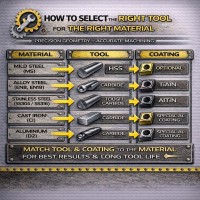
How to Select the Right Tool for the Right Material – A Practical Machining Guide
🧠 Introduction – Wrong Tool Selection सबसे महंगी गलती क्यों है Machining में बहुत सारी problems tool quality की वजह से नहीं होतीं, बल्कि tool और material mismatch की वजह से होती हैं। Common situations: Tool जल्दी टूट जाता है Surface finish खराब आती है Machine vibration करती है Tool life बहुत कम होती है और फिर conclusion निकलता है: “Tool अच्छा नहीं है” लेकिन reality: 👉 Tool सही हो सकता है, material के लिए selection गलत हो सकता है ⚙️ Why Tool–Material Matching Is Important हर material की अपनी properties होती हैं: Hardnes..
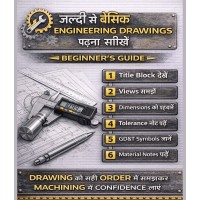
How to Quickly Read Basic Engineering Drawings
How to Quickly Read Basic Engineering Drawings – A Practical Guide for Beginners 🧠 Introduction – Engineering Drawing डरने की चीज़ नहीं है Engineering drawing देखकर बहुत से लोग घबरा जाते हैं। Lines, symbols, numbers देखकर लगता है ये सिर्फ engineers के लिए है। लेकिन सच यह है: 👉 Basic engineering drawing पढ़ना आसान है, अगर आप सही order और logic समझ लें। यह blog आपको वही quick method सिखाएगा — जिससे आप drawing को समझ सकें, सिर्फ देख न रहें। 📄 Engineering Drawing क्या बताती है? Engineering drawing एक communication tool है। यह machine operator, inspector और engineer को बत..
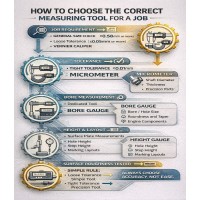
How to Choose the Correct Measuring Tool for a Job – A Simple, Practical Guide
How to Choose the Correct Measuring Tool for a Job – A Simple, Practical Guide 🧠 Why Choosing the Right Measuring Tool Matters Manufacturing और inspection में सबसे common mistake है wrong measuring tool selection. जब tool गलत होता है, decision गलत होता है — और वही rejection, rework और customer complaint का कारण बनता है। Wrong measuring tool leads to: Incorrect readings False OK parts Rework and scrap Audit failures 👉 Correct measuring tool = Correct decision 🧰 First Rule: Clearly Define What You Need to Measure Tool select करने से पह..

How measuring technology evolved in last 20 years
How Measuring Technology Evolved in the Last 20 Years – From Manual Checks to Smart Inspection 🧠 Introduction – Measurement Was Never Just About Numbers 20 years पहले factory inspection का मतलब था: Manual tools Human judgment Experience-based decisions आज measurement का मतलब है: Digital accuracy Data-driven decisions Zero-defect mindset Measuring technology का evolution सिर्फ tools का upgrade नहीं है — यह manufacturing thinking का evolution है। 🕰️ 20 Years Ago: The Era of Manual Measurement Early 2000s में facto..
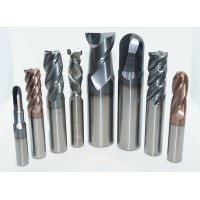
END MILL
🔩 End Mill – Precision Machining का Smart Tool आज की modern machining industry में, End Mill एक ऐसा cutting tool है जो accuracy, speed और surface finish तीनों को balance करता है। चाहे आप die mould industry में काम कर रहे हों, tool room में हों, या production setup में — End Mill cutters हर जगह efficiency बढ़ाने का काम करते हैं। 🧠 End Mill क्या होता है? End Mill एक rotary cutting tool होता है जो milling machine या CNC machining center में use किया जाता है। इसका main function है — metal surface से precise material removal करना। यह tools side cutting और end cutting दोनों operation के ..
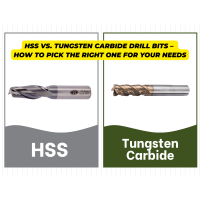
Difference Between HSS and Carbide End Mill
⚙️ Difference Between HSS and Carbide End Mill | Dhumal CNC Enterprise आज की machining industry में precision और productivity दोनों जरूरी हैं। और जब बात आती है milling operations की, तो सबसे बड़ा सवाल यही होता है — “HSS End Mill या Carbide End Mill – कौन सा बेहतर है?” इस article में हम दोनों tools के बीच का technical difference detail में समझेंगे ताकि आप अपने CNC setup के लिए सही tool choose कर सकें। 🧠 HSS End Mill क्या होता है? HSS (High Speed Steel) End Mill एक traditional cutting tool material है जो toughness और versatility के लिए जाना जाता है। यह tool medium hardness वाले ..
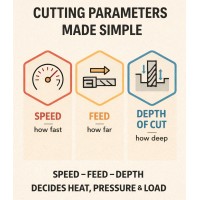
Cutting Parameters – A Simple, Non-Technical Explanation for Everyone
Cutting Parameters – A Simple, Non-Technical Explanation for Everyone 🧠 Cutting Parameters का मतलब क्या है? जब भी कोई CNC machine या manual machine metal काटती है, तो तीन basic चीजें decide करती हैं कि cutting अच्छी होगी या खराब: 1️⃣ Speed 2️⃣ Feed 3️⃣ Depth of Cut इन तीनों को मिलाकर ही कहा जाता है Cutting Parameters। Simple words में: Cutting Parameters = Machine को कैसे, कितनी तेज़, और कितनी गहराई से काम करना है, उसका control. ⚙️ Why Cutting Parameters Matter (Simple Reason) गलत cutting parameters का मतलब: Tool जल्दी खराब Machine पर load ..

Common Inspection Process Mistakes in Factories – Quality Control का सबसे बड़ा Reality Check
🧠 Inspection Process क्या होता है? Manufacturing industry में Inspection Process वह procedure है जिसके द्वारा किसी component, part या product की accuracy, dimensions, tolerance और quality standards verify की जाती है। यह process production के हर stage पर essential होता है क्योंकि यही final product की reliability decide करता है। Inspection का primary purpose: Defects identify करना Measurements validate करना Drawing specifications confirm करना Customer standards maintain करना Inspection गलती से पूरा batch reject हो सकता है — इसलिए इसे Zero-Error Zon..
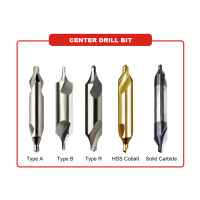
Center Drill – CNC Machining में Accuracy की First Step
🧠 Center Drill क्या होता है? CNC machining या manual turning operations में Center Drill को the foundation of accuracy कहा जाता है। किसी भी drilling, turning, या facing operation से पहले, job के center को define करने के लिए Center Drill का use किया जाता है। यह एक short, rigid, double-ended cutting tool होता है जो hole centering और pilot hole preparation के लिए बनाया गया है। सही तरीके से किया गया centering ही आगे आने वाले drilling process की accuracy तय करता है। ⚙️ Center Drill का Design और Geometry Center Drill दो मुख्य भागों से मिलकर बना होता है: Body Portion – जो dri..
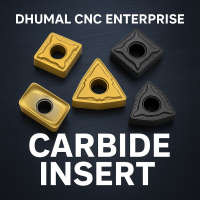
Carbide Insert – Modern Machining की Cutting Edge Technology
Carbide Insert क्या होता है? Carbide Insert एक indexable cutting tool है जो CNC turning, milling, boring, threading, और grooving operations में use किया जाता है। इसका main job है – metal को high speed पर cut करना with accuracy और durability। Traditional HSS tools की तुलना में, carbide inserts की hardness, wear resistance, और heat tolerance कहीं ज़्यादा होती है। इसलिए आज almost हर modern CNC machine में carbide inserts ही use किए जाते हैं। ⚙️ Carbide Insert का Composition और Construction Carbide insert आमतौर पर Tungsten Carbide (WC) powder और Cobalt (Co) binder से बना होता है। ..
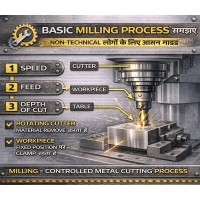
Basic Milling Process Explained for Non-Technical People – A Simple Guide
🧠 Introduction – Milling क्या होता है? अगर आपने कभी metal block को shape में बदलते देखा है, तो बहुत संभावना है कि वह process Milling था। Milling एक machining process है जिसमें: 👉 Rotating cutting tool material को remove करता है 👉 Workpiece stationary रहता है या controlled movement करता है Simple words में: Milling = Metal को काटकर shape देना ⚙️ Milling Process कैसे काम करता है? Milling machine में एक rotating cutter होता है। Process steps: 1️⃣ Workpiece machine table पर clamp होता है 2️⃣ Cutter high speed से rotate करता है 3️⃣ Cutter material को layer-by-la..
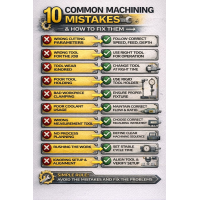
10 Common Machining Mistakes and How to Fix Them – A Practical Shop-Floor Guide
🧠 Introduction – Machining Problems Tool की वजह से नहीं होते Factories में जब machining problem होती है, पहला reaction होता है: “Tool खराब है” “Machine पुरानी है” लेकिन reality यह है कि 90% machining problems human mistakes और wrong decisions की वजह से होते हैं। Good news? 👉 ये mistakes avoidable हैं — अगर सही understanding हो। ❌ Mistake 1: Wrong Cutting Parameters Problem: Tool जल्दी टूटता है Surface finish खराब आती है Machine vibration करती है Root Cause: Wrong speed Wrong feed Wrong depth of cut Fix:..